Description
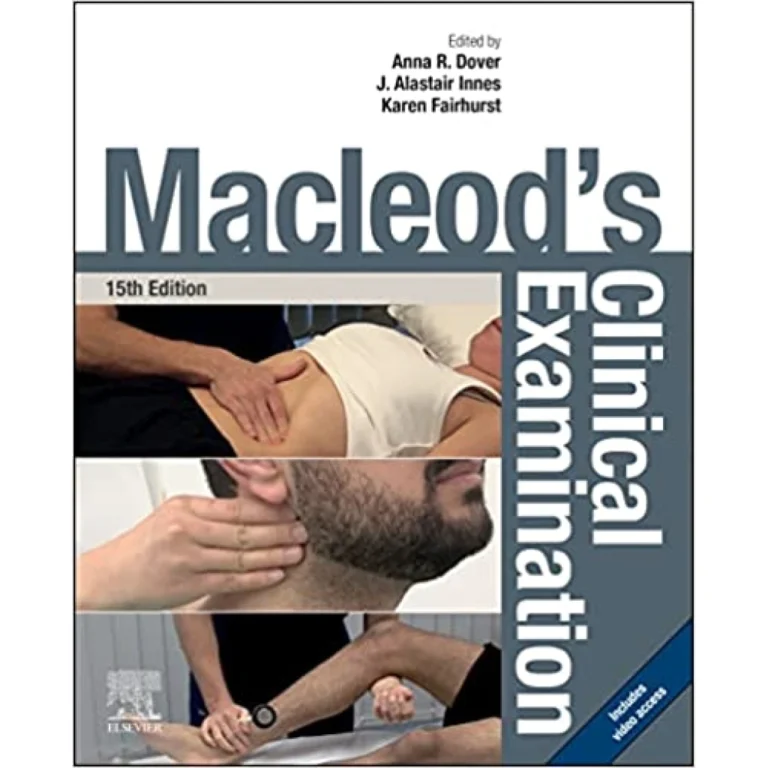
Macleod’s third edition focuses on reasoning from the patient’s presenting problem toward a working diagnosis. It explains how symptoms, examination findings, and investigation results can be interpreted together, with particular attention to common acute presentations and important warning features. Structured diagnostic guides support application of clinical skills.
Topics covered
- Principles of diagnostic reasoning and symptom-led assessment.
- Common acute medical presentations and important red flags.
- Combining examination findings and test results to refine a differential.
Who it’s for
Medical students and junior doctors moving from basic clinical skills to patient assessment.
Study use: Construct your own differential before reviewing the chapter’s reasoning, then identify which findings would change your priorities.